
What I Did For Love
Kiss today goodbye,
The sweetness and the sorrow.
Wish me luck, the same to you.
But I can't regret
What I did for love, what I did for love.
…Gone,
Love is never gone.
As we travel on,
Love's what we'll remember.
Kiss today goodbye,
And point me t'ward tomorrow.
We did what we had to do.
Won't forget, can't regret
What I did for
Love
“What I Did For Love,” from A Chorus Line
I was asked recently if I regretted the choices I made early in life. This song immediately came to mind.
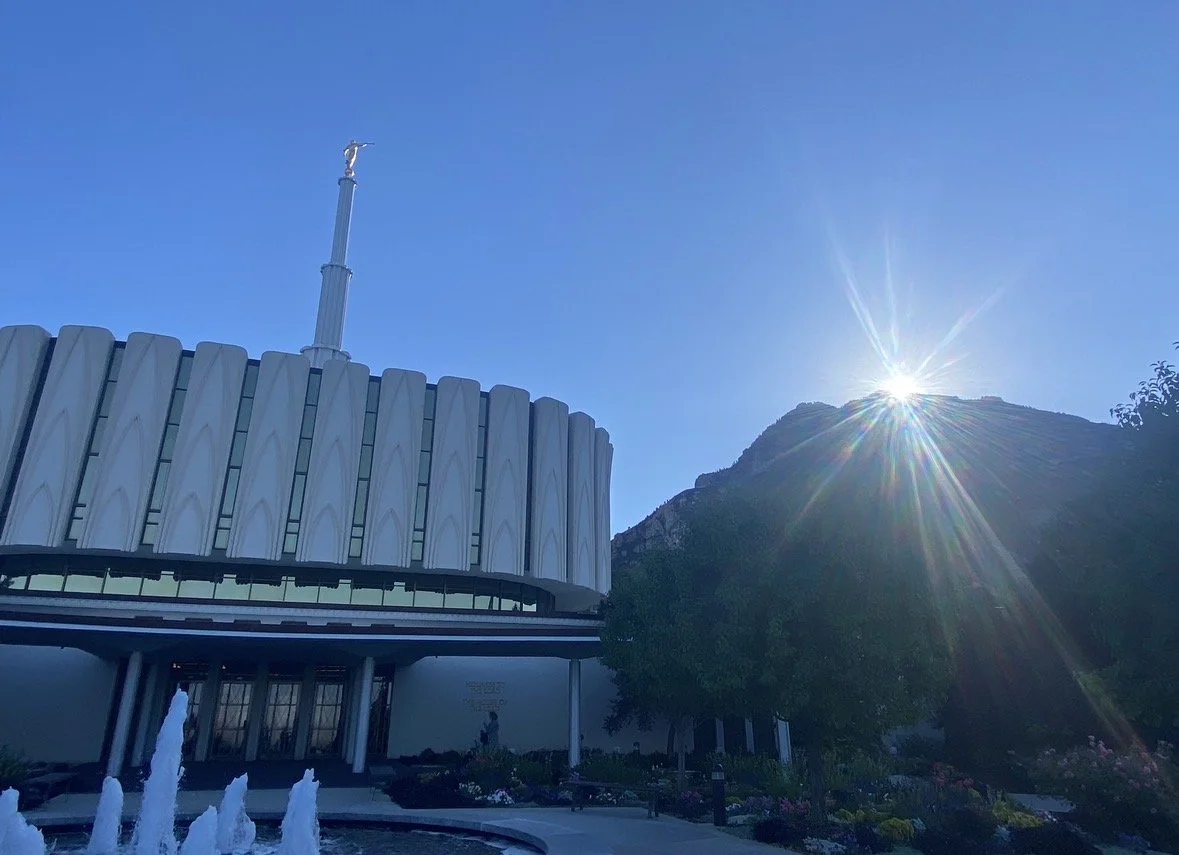
I attended a performance of A Chorus Line about a year after my divorce, during a time when I was trying to define my relationship with The Church of Jesus Christ of Latter-day Saints, and I was feeling the pain of grief over many losses. The song “What I Did for Love,” gave me perspective and language for how to process some of that grief. I don’t regret the things I did for love—love of God and a desire to please Him, love of my family, love of the people I served in the Church, love of the temple, love of a stable and socially acceptable life. That love brought both sweetness and sorrow, and the sorrow doesn’t cancel out the sweetness.
My children are a precious gift in my life. I don’t regret an iota of what I gave to receive them. As our relationships evolve through a period of growth for each of us, I am grateful for the sweet and strong girls they were and the sweet, strong, resilient, and wise women they are today. In a book I wrote 27 years ago, I said I wanted to provide a safe Eden for them, and I couldn’t. I understand even more today the foolishness of trying to protect them from pain and the subsequent growth and wisdom that was the whole point of leaving Eden: a place of peace but ultimate stagnation.
My service in the Church was given with a whole-hearted love and commitment to God and God’s children. I taught and led and took down chairs and made food and listened to broken hearts. I prayed for healing of my perceived brokenness. I accepted the feminine roles that were given to me, I followed the prophet, I was home at the crossroads for my children, I taught the doctrine and those women’s roles to my children, I supported the presiding authority in my home. I also tried to love my husband with my whole heart, and I gave as much of that heart as I could. I served in the temple, and I loved my time as both a temple patron and worker. The temple was a place of peace for me for many years.
Some of things I was taught at church, especially about my inherent attraction to women, did damage to my mental health and correct understanding of how God sees me. I had a warped understanding of my identity and the nature of God. When I consider the joy that came to me in those years, I use that joy to try to mitigate my anger at the hurt and betrayal of a place that should have offered peace and safety rather than shame and isolation.
Melinda French Gates wrote in her book The Power of Lift about the impact of church with a small “c;” in her case, she is a devout Catholic, but her observations apply to my experience as well:
Some parts of the church come from God, and some parts come from man—and the part of the church that excludes women comes from man.
One of the weightiest moral questions facing male-dominated religions today is how long they will keep clinging to male dominance and claiming it’s the will of God.
The parts of my LDS church experience that nurtured my relationship with God and brought me into community are precious to me. But the parts that come from the traditions of men—the racism underlying the past restrictions on priesthood and temple covenants for some members of color, as well as condemnation of interracial marriage; the limits on women’s growth, authority and leadership in the church; the patriarchal system and roles that hurt both women and men within their families; the fears and disgust that shape the church’s policies and treatment of the LGBTQIA+ community; teachings that misrepresent the nature of God and God’s relationship with us; and underlying traditions and assumptions which close the windows of heaven on unasked questions while causing pain to good-hearted members—all these come from man, not from God. There are times when I hear about a policy or a pronouncement and think “God is not in that,” and it helps me to separate those pieces from the places where I feel God’s heart and hand.
Today my friend told me about their recent experience with a righteous request that had been denied by several layers of church leadership. It brought up memories for me of silent years of hurt, betrayal, sadness, and anger. I sat with those feelings in a sacred, contemplative space with a prayer I often repeat--that I will be forgiven for what I have done and for what I have left undone, and that I will be able to forgive the same in others (including leaders who have a desire to do good and miss the mark so widely). I realized that good-intentioned people are causing deep pain, often out of ignorance. That doesn’t lessen the pain or the damage that continues to be done in God’s name, but it is my step toward offering grace.
I’m grateful for the good that came to me and my family from the church community I loved. I’m grateful for a song that gave shape to how I process the hurt and anger that comes from years of needless anguish. I benefitted from both the sweetness and the sorrow. I’m grateful I can be free from bitterness that might affect my belief and trust in God.
Most of all, I’m grateful to continue to feel God’s guidance in my life, leading me on unexpected paths to continue to remain in relationship with Him and His children.