
Who Is the Real Meghan ?
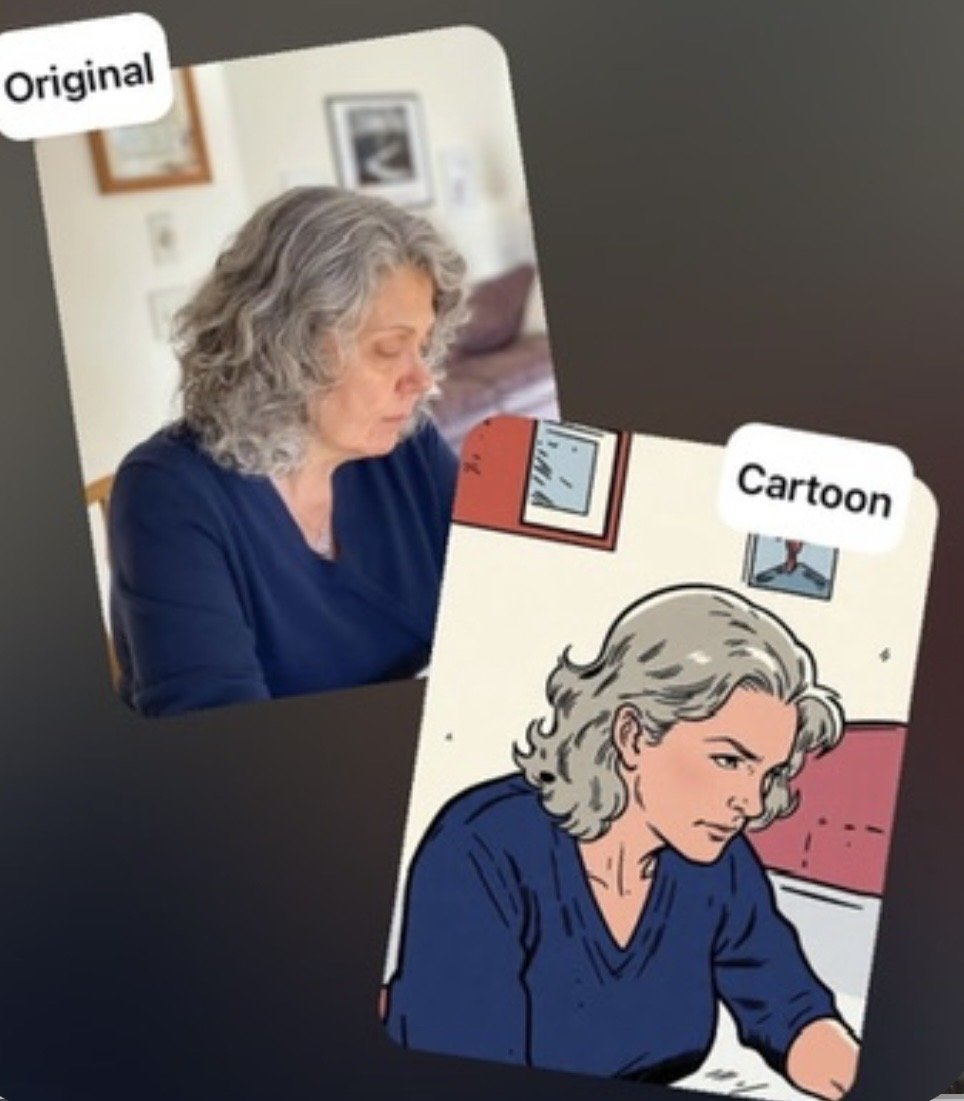
I work at a school of nursing, and their mental health simulation scenarios are done with a live patient, not a high-fidelity mannikin used in many of the other labs and simulation. I often play the role of the patient in those scenarios. I move between being a patient with bipolar in the midst of a manic episode; a patient with paranoid schizophrenia; a man who checked himself in for alcohol detox; and a woman who attempted to take her life and is being discharged to go home to her family. I move between the roles fairly easily, and the professors and nursing students have often commented on how realistic it is—do I have a background in acting, they ask?
It’s not hard for me to play a role—what’s difficult is knowing who I am.
Who is the real Meghan? I have often felt like an observer, watching the situation and responding as I am expected to. I simply needed to understand the role, and I could play it. Mormon woman? Relief Society president? Seminary teacher? I watched, listened, and performed. Most of my behavior came from my heart—I love people sincerely, and I believed in what I was doing. But the expectations that shaped the behavior came from outside, not within. Who am I without responding to outside prescriptions?
Following my “aha” moment in mental health simulations, my therapist told me the work of identity development normally takes place between the ages of 13-23. But it is delayed in stigmatized populations, like LGBTQIA+ Latter-day Saints and other groups who don’t “fit the norm” —who feel different. Their identity is hijacked by who they have to be to fit prescribed roles, rather than discovering that identity from within. For me, anything that didn’t fit the role the church expected of me was crushed down, and I attempted to destroy it.
During the period of identity development, people try lots of different things. They join different groups to find what resonates. I watched my children try a variety of sports, instruments, musical theater, friend groups, interests, and majors in college. They tried on various ways of “being” to discover what fits and feels natural. They grew into themselves.
In stigmatized groups, that discovery and solidification of identity is delayed and generally takes place between ages of 23-53. This is congruent with what I have observed anecdotally in women who have reached out to me after coming out to themselves. Often, they married young, had children quickly, and it was only after the youngest child started school that they had the time and space to begin the self-examination that revealed the life they were living felt like wearing the wrong size shoes—perfectly good shoes, but not made to fit them. This dissonance between the roles they were playing and who they were inside often played havoc with their mental health, until they brought their inner and outer lives into harmony.
I’m a latecomer to identity development! I’ve done quite a bit of work over the last few years to be honest with myself about who I am and examine what that looks like in my understanding of self. I’ve walked through stores asking what I like when there is no thought of pleasing anyone else. I’ve examined how I react in a group and the various ways I’ve tried to earn my worth in the past through adopting a role.
I’m learning through trial and error; I listen to how my body feels with different choices. I ask myself “Does this fit me?”—not “Does this fit within the structure I am trying to accommodate?”
Brene’ Brown taught me that fitting in means I change myself to be part of the group, while belonging mean I can show up as I am and be accepted and embraced.
I’ve discovered the most important belonging is to myself.
I’m doing less. I spend more time listening. I’m not trying to hustle for my worth (another piece of wisdom from Brene’).
Instead of listening as my gospel-scholar brain informs me of the rules, I pay attention to what I hear and feel inside when I am still. My formerly agitated mind is slowly letting go of outside expectations that don’t feel right, as I recognize that my body-based intuition is more trustworthy.
I’m getting to know the real me, and it’s a lot more work than role playing. I have to be quiet. I have to pay attention to the inner wisdom that is the authentic woman beneath the layers of acquired expectations. I’m discovering I like her a lot. And I feel compassion for the fear and shame that kept her in hiding for so long. I’m no longer acting.
It’s a sweet experience to grow into myself.